


The halls of Manchester Central were filled with talk of AI agents, autonomous systems, and the "future of work". But when you sit down for a coffee with the people who actually keep the lights on, the IT Managers and Leads from small to mid-sized companies, a very different story emerges.
There is a noticeable fatigue around AI. Many feel that the benefits are often overstated by vendors while the practical, day-to-day challenges of IT remain. When we asked, "What is your biggest headache today?", the answer wasn't AI integration. It was much more grounded:
"We are still tracking our hardware in an Excel spreadsheet, and we’re not proud of it."
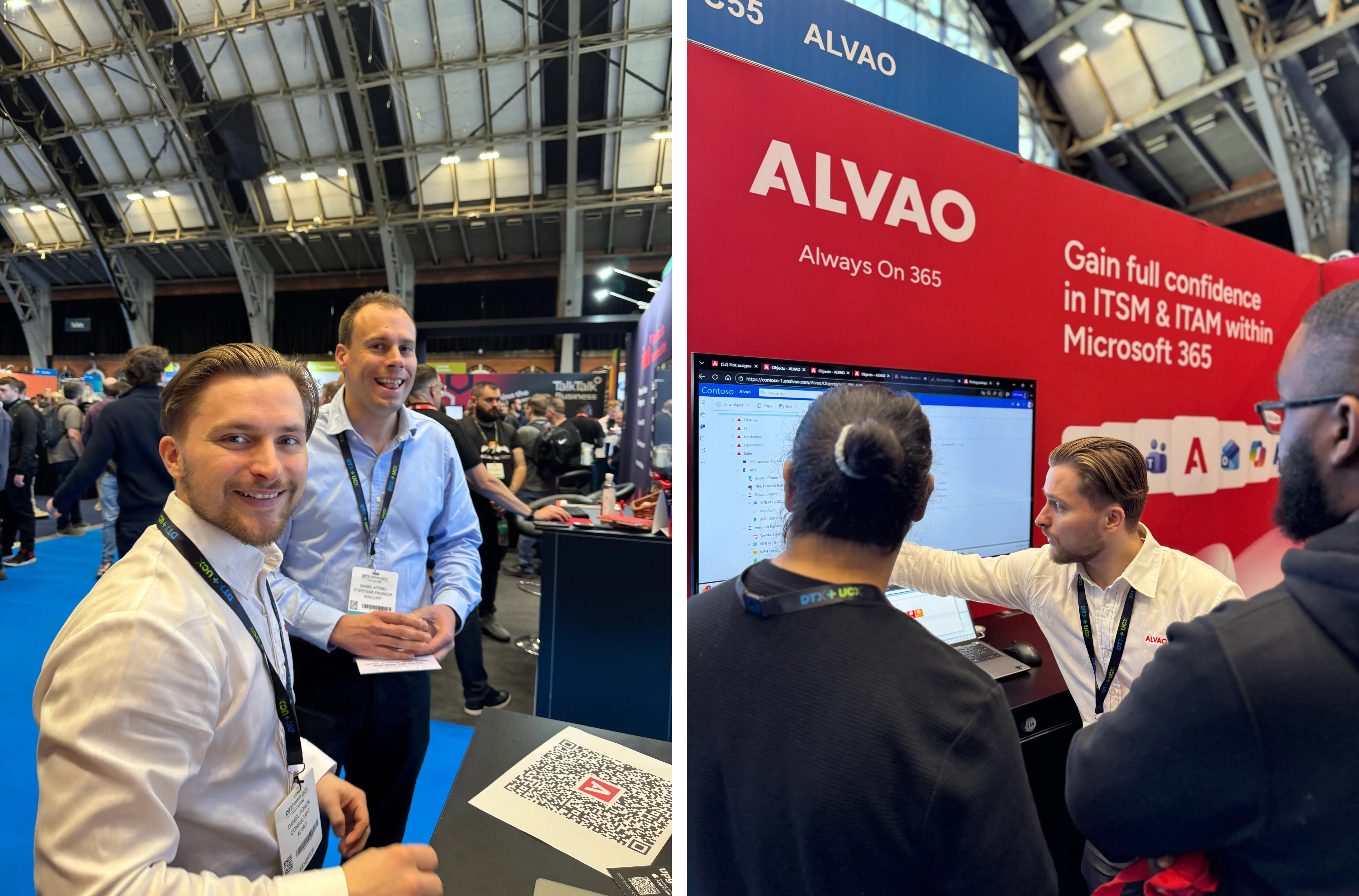
The high cost of the "hidden" Excel habit
If this sounds familiar, there is no need to be ashamed. At DTX, we saw that you are far from alone. Many IT teams simply haven't had the time or the budget to move away from spreadsheets. However, as discussed in several sessions, this manual approach is quietly draining your budget in ways that are easy to miss:
Vanishing Hardware
In the world of hybrid work, equipment often goes missing during onboarding and offboarding. It has almost become a "norm" for employees to keep docking stations or peripherals when they leave, simply because there is no clear record of what they were issued.
The Transparency Gap
Small teams are stretched thin. When data is stuck in a spreadsheet, it’s rarely up to date. Teams often slacks and forgets to keep the status, comments, or custom fields up to date. This will be an issue no matter what solution you choose. Having an IT Asset Management (ITAM) solution is not a miracle, it is still a job, but it helps you track assets efficiently.
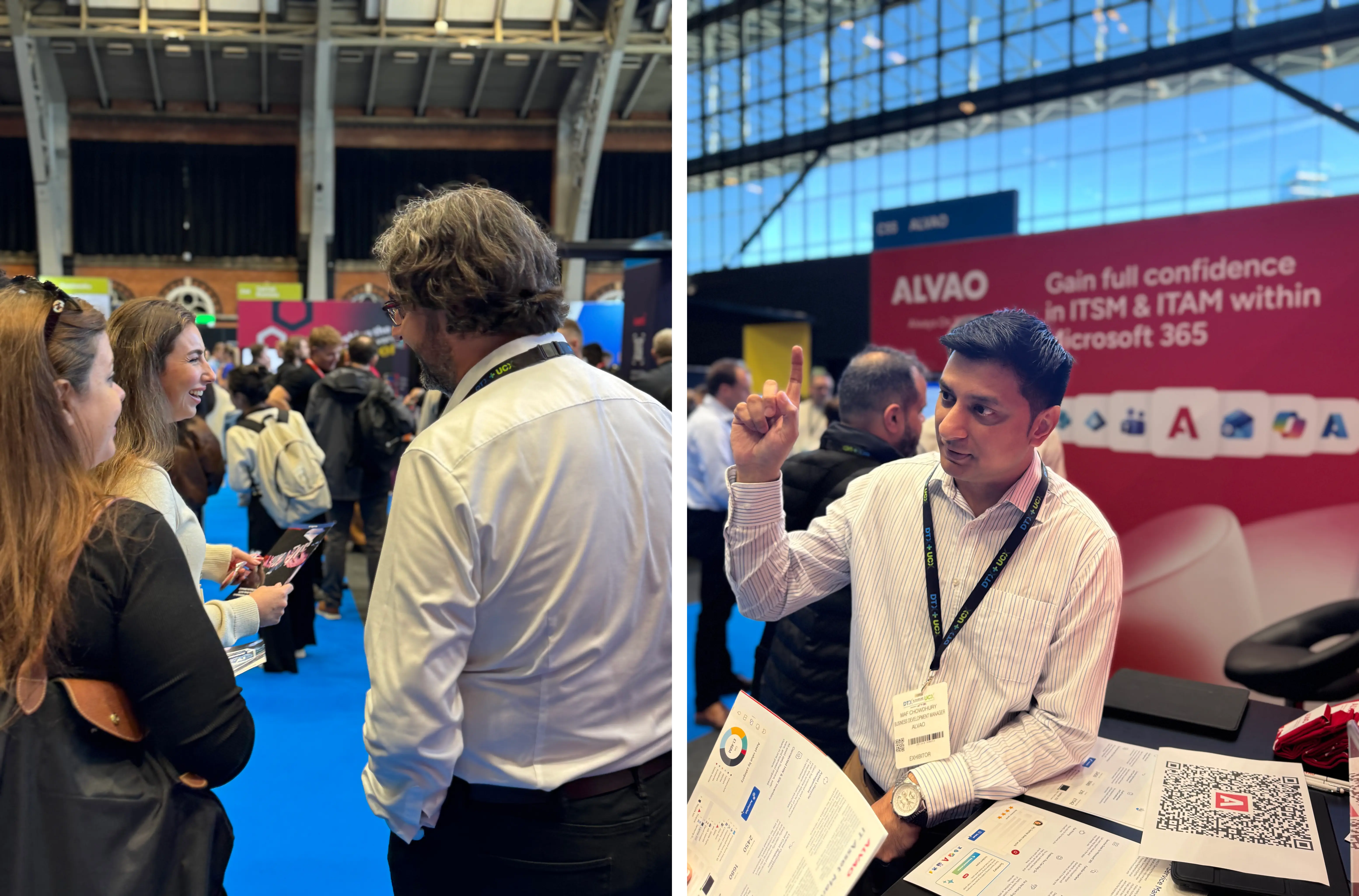
Cybersecurity: The danger of "floating" accounts
The workshops at DTX Manchester 2026 highlighted a worrying gap: the space between "futuristic AI" and "Excel spreadsheets" is where security fails. Cyber attackers don't always need a complex exploit; they look for the easiest way in, such as phishing. Once they are in, they act quickly and try to leave no trace, making it look as if they never entered your system at all.
Experts at the conference warned that attackers often look for past employees who are still in your system and use their accounts, as no one notices the suspicious activity. They target past employees with high-level permissions, like department heads, to gain access to all areas of the system.
To keep your environment stable, the sessions recommended these steps:
Limit permissions
Give everyone the bare minimum they need. If someone doesn't need access to a folder weekly, restrict it even if they are senior.
Don't leave 'floating' ex-employees
Ensure they are removed from all systems immediately.
Back up everything
Use multiple methods and keep multiple copies.
Have a plan
Most companies run around like "headless chickens" during a breach. Have a plan to reduce reputational damage.
Be transparent
From a GDPR and PR point of view, don't pretend a breach hasn't happened. Communicate with stakeholders early.
How to move forward without the "Robust" headache
Many small companies avoid IT Asset Management (ITAM) tools because they fear a long, expensive implementation.
They think they need a robust enterprise platform, when they actually just need order and clarity.
This is where ALVAO helps. While people at the conference expressed uncertainty about what AI will bring, the real deal is in ITAM and real-world scenarios. IT Service Management is generally well-handled, everyone has a service desk, but trustworthy ITAM data remains the challenge.
ALVAO is here to help small companies with limited budgets who need something fast to implement. We believe in a step-by-step approach:
Start small
You don't need a miracle; you need a system that gives you visibility.
Microsoft-native
Since you likely already use Microsoft 365, your tool should fit right into that environment.
Human-led
A good tool makes the job of keeping data up to date significantly easier and faster.
Moving away from Excel isn't about chasing the latest AI trend. It’s about giving your IT team their time back and ensuring that when you go home, you have a clear overview of your hardware and software, closing the security gaps for good.
Ready to get your hardware under control?